History of Present Illness
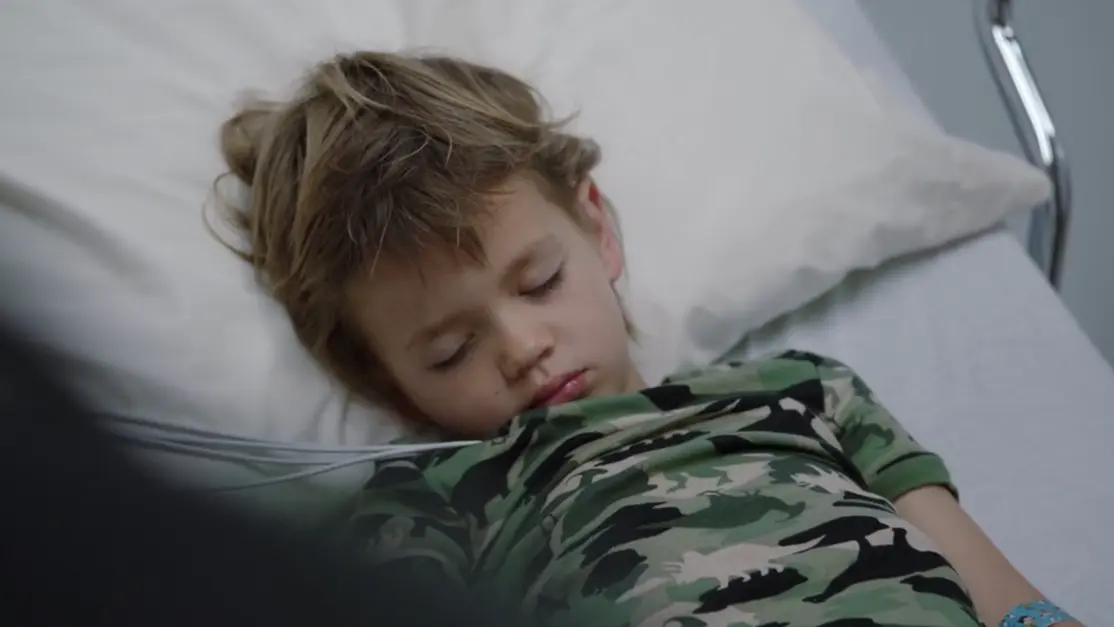
4-year-old male with no past medical history, no antecedent illness, no fever, and no vomiting. Brought to the ED because his parents could not wake him up in the morning. Usually a highly active child. No apparent access to locked medications, no known trauma, and no sick contacts at his preschool.
Emergency Department Course
Initial Assessment & Triage
Patient presentation with acute unexplained lethargy.
Initial Assessment & Triage
Patient presentation with acute unexplained lethargy.
Medical Decision Making
With profound lethargy in a pediatric patient, the immediate priorities are checking blood glucose to rule out hypoglycemia/DKA, checking for signs of meningeal irritation to rule out meningitis, and evaluating for focal neurological signs to rule out intracranial hemorrhage or mass. Given the benign physical exam, occult infection, metabolic derangement, or toxic ingestion must be investigated.
Diagnostics & Findings
- Point-of-care Blood Glucose
- Physical Exam (Neuro/Skin/HEENT)
- CBC
- BMP
- Urinalysis (UA)
- Urine Drug Screen (UDS)
Findings:
- Blood Glucose: 85 mg/dL (Normal)
- No nuchal rigidity
- No skin lesions
- No focal neuro deficits
- Well fed and cared for appearance
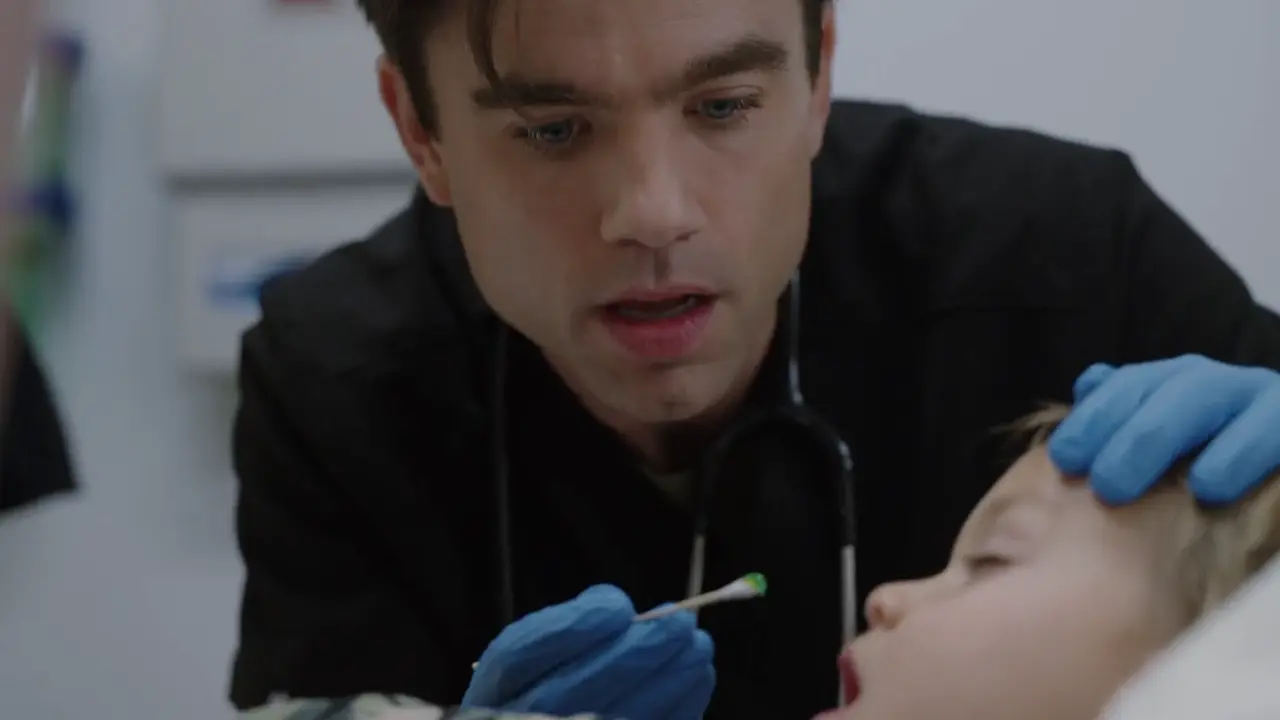
- Barely flinched during venipuncture
Interventions
- Blood draw for laboratory analysis
⮑ Outcome & Reassessment
Patient remains deeply asleep and unresponsive to mildly painful stimuli (needle stick).
Secondary History / Bedside Evaluation
Lack of clear etiology on initial physical exam and point-of-care testing.
Secondary History / Bedside Evaluation
Lack of clear etiology on initial physical exam and point-of-care testing.
Medical Decision Making
With stable vitals and no signs of infection or obvious metabolic crash (normal POC glucose), an occult toxic ingestion or environmental exposure moves higher on the differential. A meticulous history of the home environment is required.
Diagnostics & Findings
- Detailed social and environmental history with the mother
Findings:
- Medications are locked away; house is childproofed.
- No alcohol left out.
- No recent head trauma reported.
- No sick contacts at preschool.
Interventions
⮑ Outcome & Reassessment
Patient's clinical status is unchanged. Waiting on comprehensive lab results.
Lab Review & Definitive Diagnosis
Return of normal laboratory results paired with new collateral history.
+1
Lab Review & Definitive Diagnosis
Return of normal laboratory results paired with new collateral history.
Medical Decision Making
Standard metabolic and infectious labs returned completely normal, ruling out electrolyte disturbances, renal failure, and systemic bacterial infection. When the mother subsequently remembers that her brother's cannabis 'gummies' were in her coat pocket, the clinical picture perfectly aligns with pediatric THC intoxication.
Diagnostics & Findings
- Review of CBC, BMP, UA
- Fast-tracking the Urine Drug Screen (UDS) with the lab
Findings:
- CBC, BMP, UA all 100% normal.
- Maternal confession: Child likely consumed THC gummies.
- UDS returns positive for Cannabis.
Interventions
- Continued observation and supportive care
⮑ Outcome & Reassessment
Diagnosis confirmed as accidental pediatric cannabis ingestion. Patient will sleep it off with supportive care.
Clinical Media
Diagnoses & Disposition
Evolving Diagnoses
- [Event 1]Altered Mental Status (Undifferentiated) / Lethargy
- [Event 3]Accidental Cannabis (THC) Ingestion
Current Disposition
Observed in the ED for supportive care pending metabolic clearance of THC.
Casebook Analysis
Episode Context
This case reflects a highly relevant real-world issue: the sharp rise in accidental pediatric ingestions of cannabis edibles. It highlights the importance of persistent history-taking and keeping a broad differential when a child presents with unexplained altered mental status.
Attending's Review
Medical Accuracy
The presentation is highly accurate. Pediatric cannabis ingestion often presents as profound lethargy, hypotonia, and unresponsiveness (sometimes even coma or respiratory depression in high doses), rather than the typical euphoric or anxious 'high' seen in adults. Normal vitals (aside from occasional tachycardia) and a normal blood glucose are classic.
Complications & Errors
- The UDS was ordered in the initial assessment but seemingly delayed. In pediatric patients, obtaining a urine sample can be difficult if they are lethargic and not voiding, which often delays the diagnosis unless a catheter is used or the history is obtained.
- In reality, depending on the severity of the lethargy and if the UDS was delayed, a physician might have rushed a CT scan of the head to rule out a bleed before the mother remembered the gummies.
Clinical Pearls
In any previously healthy, unarousable child with normal vitals and a normal point-of-care blood glucose, toxic ingestion must be at the very top of the differential diagnosis.
When taking a pediatric ingestion history, specifically ask about 'edibles', 'gummies', 'vitamins', and 'supplements'. Parents often do not classify these items as 'drugs' or 'medications' in their minds during initial questioning.