History of Present Illness
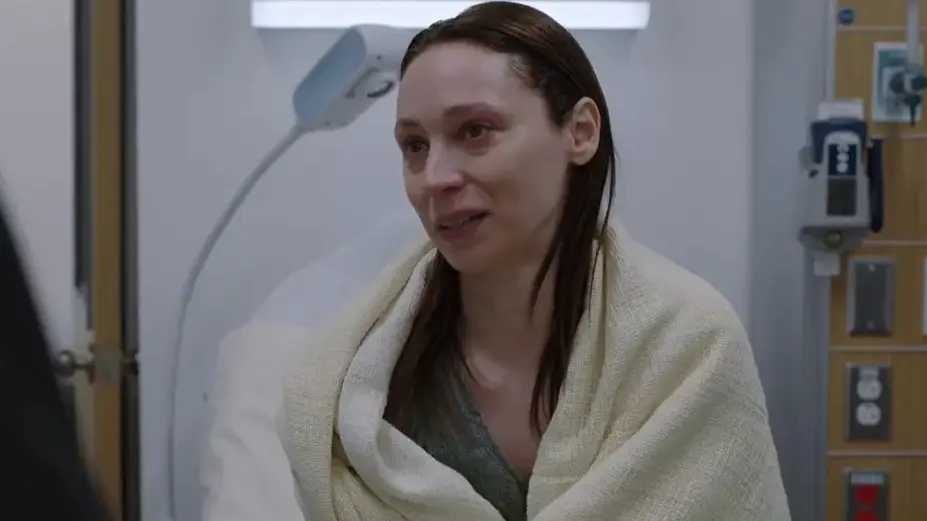
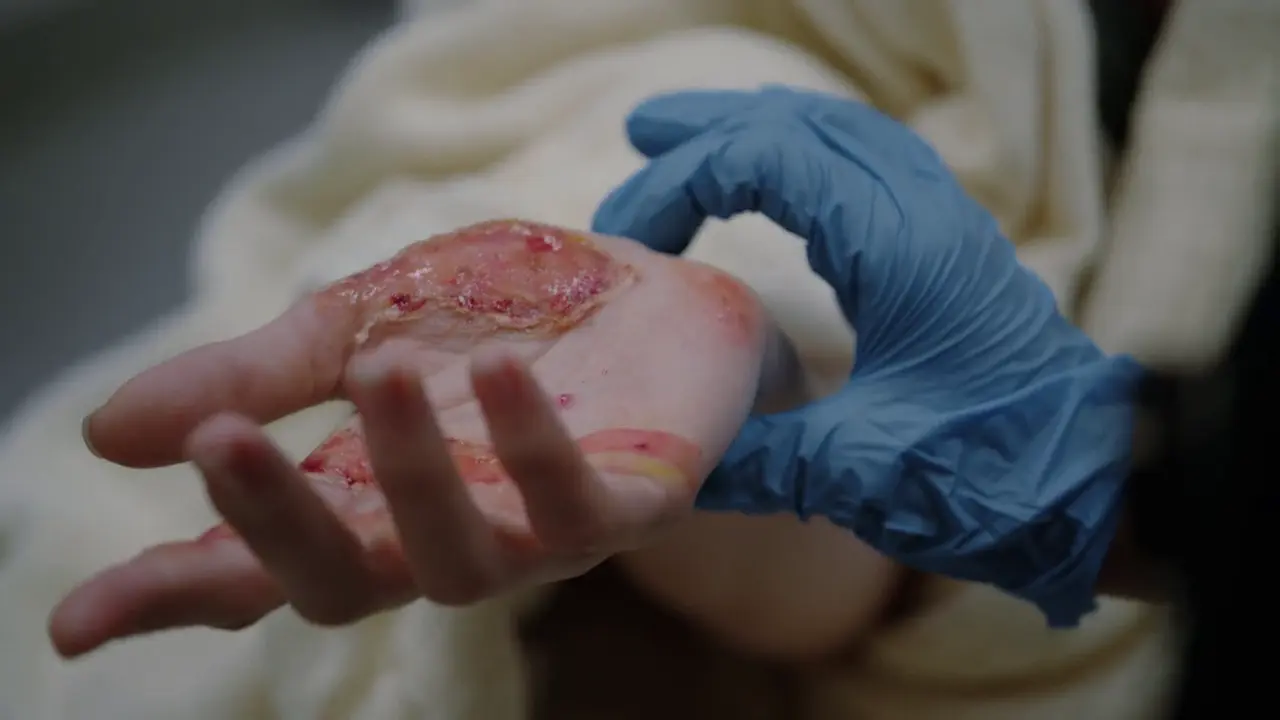
Patient presents to the ED after sustaining a thermal burn to her hand from a Sterno can while allegedly making s'mores with her son. She has been waiting in the ED for hours and is anxious to leave to take her children to school.
Emergency Department Course
Initial Evaluation and Empiric Treatment
Patient has been waiting for hours with an untreated burn and is getting anxious about leaving to take her kids to school.
+1
Initial Evaluation and Empiric Treatment
Patient has been waiting for hours with an untreated burn and is getting anxious about leaving to take her kids to school.
Medical Decision Making
Patient has an uncomplicated but painful thermal burn. She needs immediate analgesia and basic wound care to facilitate a quick discharge, recognizing her social pressure (getting kids to school). Multimodal over-the-counter pain management (Acetaminophen + NSAID) is selected as first-line therapy.
Diagnostics & Findings
- Clinical visual inspection of the burn
Findings:
- Thermal burn to the hand
Interventions
- Acetaminophen 1000mg PO
- Ibuprofen 400mg PO
- Saline dressing application
⮑ Outcome & Reassessment
Patient is relieved that treatment is starting but remains eager to leave.
Clinical Media
Care Coordination / Social Work Consult
Dr. Robinavitch reviews the patient's mechanism of injury and social narrative, identifying red flags for housing insecurity.
Care Coordination / Social Work Consult
Dr. Robinavitch reviews the patient's mechanism of injury and social narrative, identifying red flags for housing insecurity.
Medical Decision Making
Cooking s'mores over a Sterno can is an unusual mechanism of injury for a housed family, but a common makeshift cooking/heating method for people living in cars or tents. Combined with the patient's urgency and presentation, the physician suspects the family is unhoused. Social work intervention is necessary to ensure safe discharge, proper wound care follow-up, and resource allocation.
Diagnostics & Findings
- Social history assessment
Findings:
- High suspicion of homelessness
Interventions
- Social Work consult placed (Kiara Alfaro)
- Referral for outpatient wound checks
- Referral for outpatient hand therapy
⮑ Outcome & Reassessment
Social worker (Kiara) agrees to intercept and speak with the patient to offer assistance and resources.
Diagnoses & Disposition
Evolving Diagnoses
- [S01E01]Thermal burn of the hand
- [S01E01]Housing insecurity / Unhoused status
Current Disposition
Pending discharge with social work consultation, outpatient wound checks, and hand therapy referrals.
Casebook Analysis
Episode Context
Sherry's case highlights the ED's role as a primary safety net, not just for acute medical emergencies, but for social determinants of health (SDOH). It introduces the social worker character (Kiara) and demonstrates Dr. Robby's clinical acumen extending beyond purely physiological diagnoses into the reality of patients' living circumstances.
Attending's Review
Medical Accuracy
Highly accurate. Sterno burns are a known risk for unhoused populations who use them for cooking or heating in confined spaces (tents, vehicles). The combination of 1000mg Acetaminophen and 400mg Ibuprofen is a standard, evidence-based multimodal approach to acute, mild-to-moderate pain management in the ED, effectively reducing the need for opioids. Recognizing the social clue ('cooking with a Sterno') is an example of excellent, holistic emergency medicine.
Clinical Pearls
Always investigate the 'why' and 'how' of a mechanism of injury; unconventional cooking methods like a Sterno can be a red flag for lack of access to a kitchen and underlying housing insecurity.
Multimodal non-opioid analgesia (e.g., Acetaminophen + NSAIDs) provides synergistic pain relief and is highly effective for acute thermal burns.
Safe discharge planning for burns requires ensuring the patient has a clean environment for ongoing wound care; involving a social worker is crucial when housing is unstable.