History of Present Illness
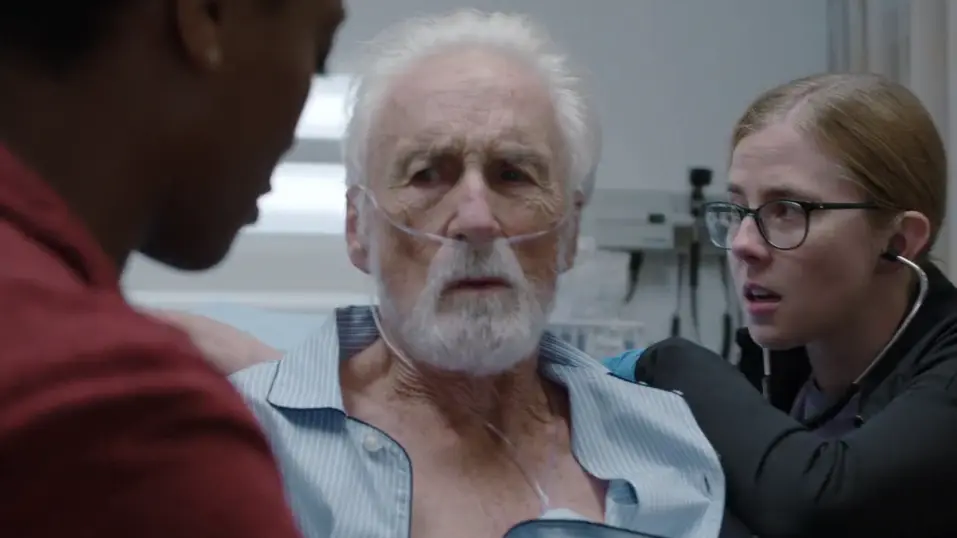
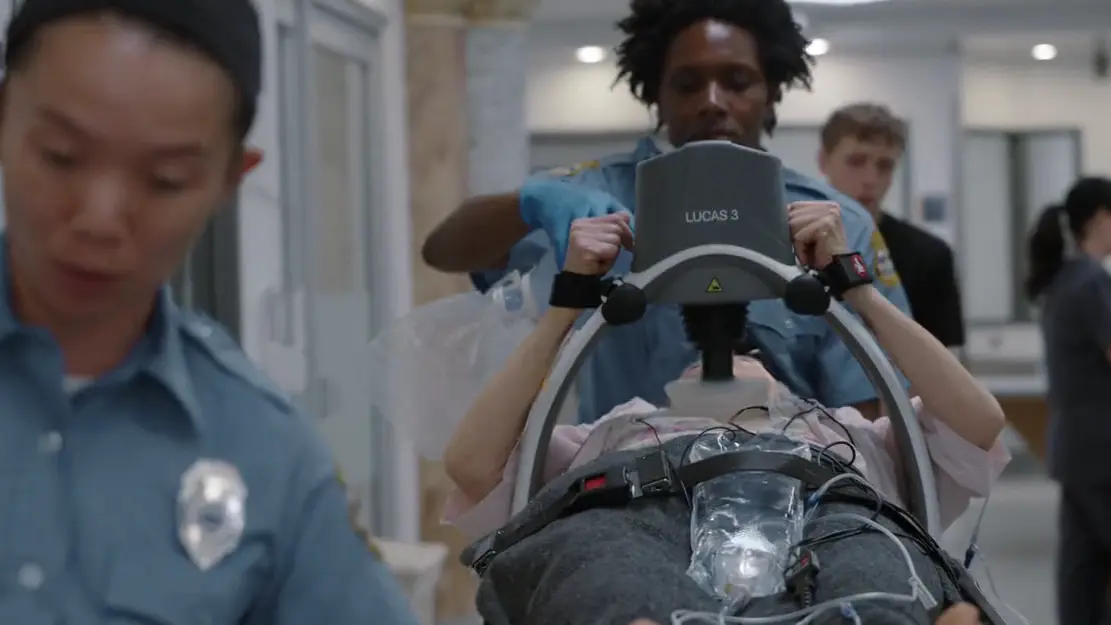
89-year-old female resident of a skilled nursing facility (SNF) with a past medical history of emphysema, congestive heart failure (CHF), and multiple sclerosis (MS). She was found in cardiac arrest at the facility. EMS found her in ventricular fibrillation (V-fib). Prior to ED arrival, she was unresponsive to three defibrillation shocks and two rounds of epinephrine. She was brought in as a 'full code' because the SNF staff was overwhelmed and unable to locate her advanced directive/DNR paperwork.
Emergency Department Course
Resuscitation / ACLS
Patient arrival via EMS in active cardiac arrest.
+2
Resuscitation / ACLS
Patient arrival via EMS in active cardiac arrest.
Medical Decision Making
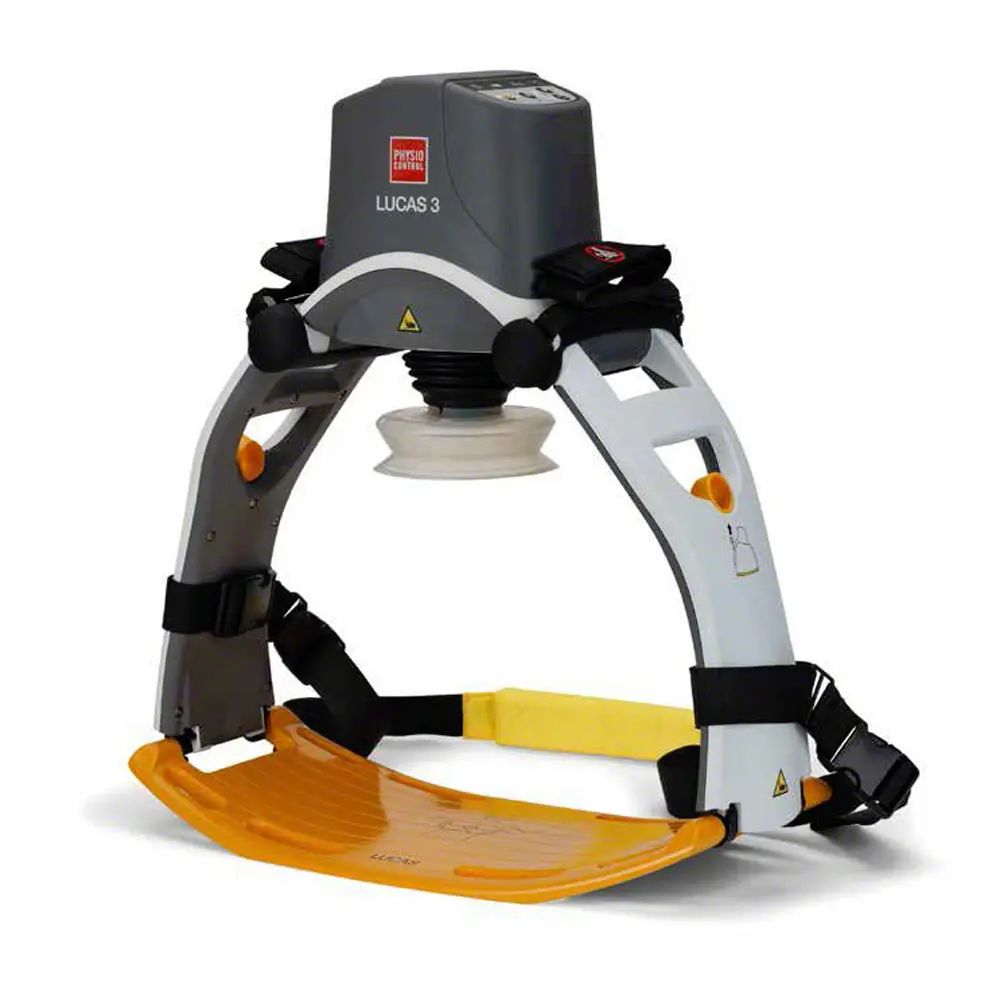
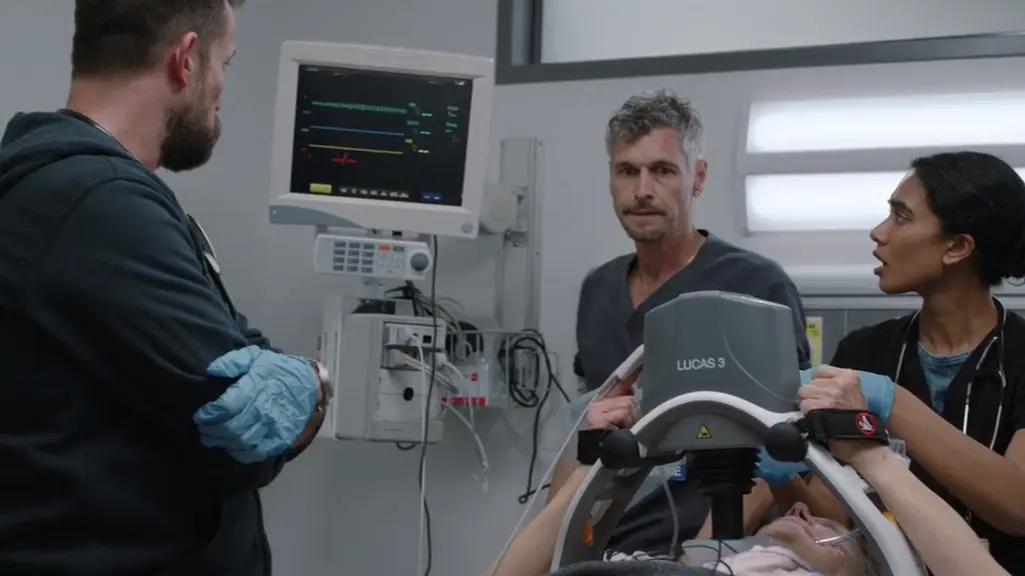
With no DNR available upon arrival, the default medical and legal obligation is to perform full resuscitative efforts. Patient is in refractory V-fib. Deploying the LUCAS device to maintain high-quality, uninterrupted mechanical chest compressions while preparing for further pharmacological intervention and defibrillation.
Diagnostics & Findings
- Cardiac rhythm check
Findings:
- Persistent Ventricular Fibrillation
Interventions
- Application of LUCAS mechanical chest compression system
- Order placed for additional round of Epinephrine
- Preparation for additional defibrillation shock
⮑ Outcome & Reassessment
Patient remained in V-fib despite mechanical compressions and continued ACLS measures.
Clinical Media
Code Termination
SNF successfully faxes the patient's Do Not Resuscitate (DNR) order to the ED mid-resuscitation.
Code Termination
SNF successfully faxes the patient's Do Not Resuscitate (DNR) order to the ED mid-resuscitation.
Medical Decision Making
A valid DNR order dictates that no CPR or advanced cardiac life support measures should be performed. Upon receiving documented proof of the patient's end-of-life wishes, continuing the code becomes medically inappropriate and legally/ethically contraindicated. Efforts must be halted immediately.
Diagnostics & Findings
Findings:
- Confirmed valid DNR status
Interventions
- Powered off defibrillator
- Powered off LUCAS device
- Ceased all resuscitative efforts
- Time of death pronounced
⮑ Outcome & Reassessment
Resuscitation terminated. Patient declared deceased. Moved to the viewing room for family notification and moment of silence.
Diagnoses & Disposition
Evolving Diagnoses
- [00:25:49]Cardiac Arrest (Ventricular Fibrillation)
Current Disposition
Deceased. Moved to viewing room awaiting coroner/morgue and family notification.
Casebook Analysis
Episode Context
The case is used to illustrate the chaotic, high-volume nature of the ED, particularly the 'morning dump' of elderly patients from understaffed nursing homes. It highlights the systemic healthcare failures that lead to patients receiving unwanted, traumatic CPR due to administrative bottlenecks, while also exposing the new medical students to the emotional toll and ethical realities of emergency medicine.
Attending's Review
Medical Accuracy
The scenario is highly realistic. Nursing homes frequently send patients to the ED in arrest without proper paperwork due to understaffing. The ED team's default action to initiate a 'full code' until a DNR is physically produced is exactly how this is handled legally and medically in real life. The use of the LUCAS device is an accurate reflection of modern ED resuscitation protocols.
Complications & Errors
- Systemic Error: The SNF nurse initiated a code and 911 transfer without checking the patient's code status due to being overwhelmed with 60 patients, subjecting the patient to unwanted CPR.
Clinical Pearls
In the absence of a verified DNR order, emergency providers are legally obligated to initiate full resuscitative measures.
Mechanical CPR devices (like LUCAS or AutoPulse) are highly effective in the ED setting; they maintain optimal perfusion pressures and free up clinical bandwidth.
If a valid DNR is discovered during an active code, resuscitation should be immediately terminated. It is never too late to honor a patient's end-of-life wishes.
Always assign a team member to aggressively investigate advanced directives and contact nursing facilities/family members immediately upon the arrival of an elderly patient in cardiac arrest.